
Mercury Whale Rescue
East Coast New Zealand
Departure: Tauranga, New Zealand
Arrival: Auckland, New Zealand
Total Voyage Duration: 3 Days
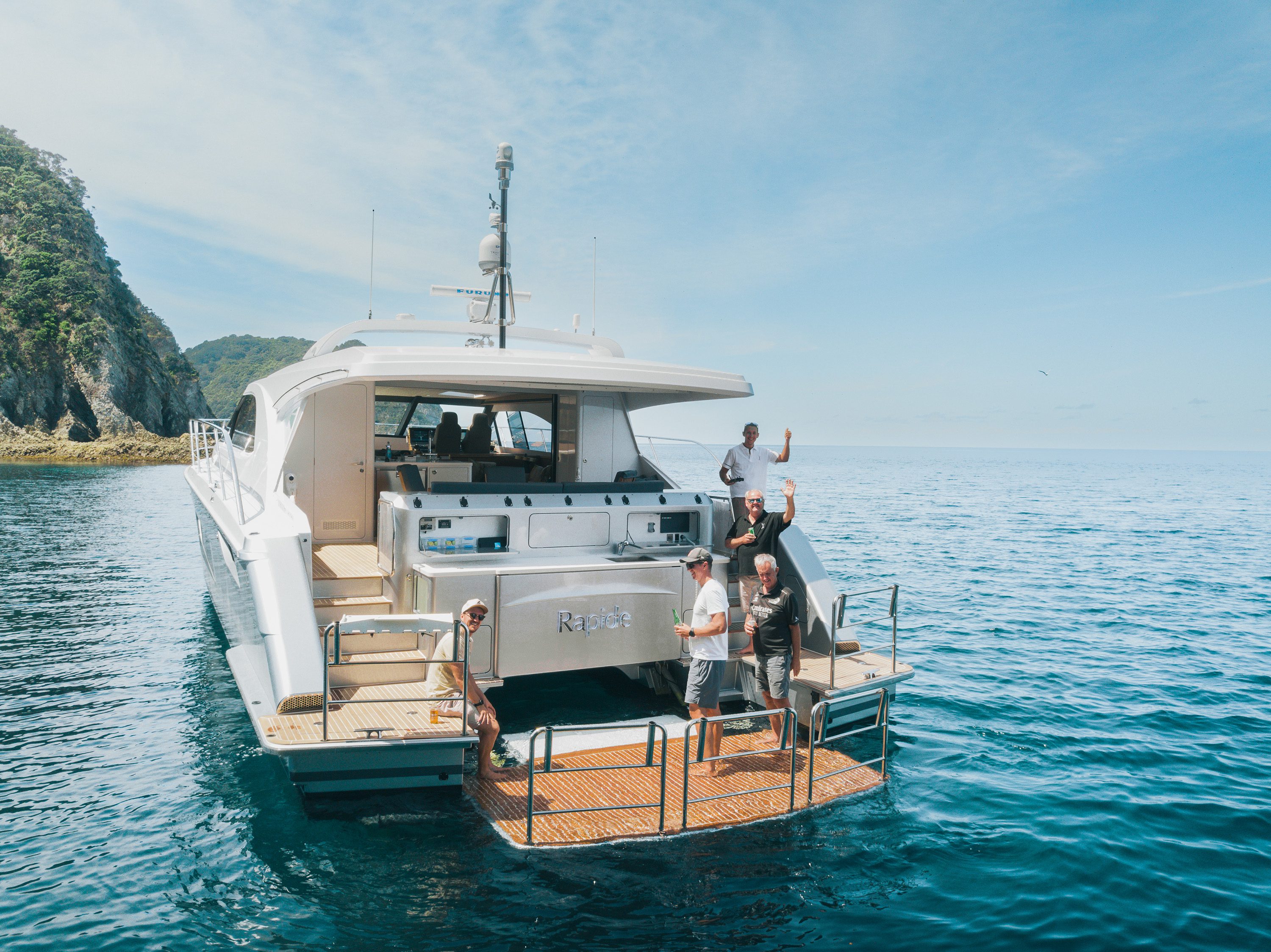
Crew: Mitch, Dave, Bill, Mike, James
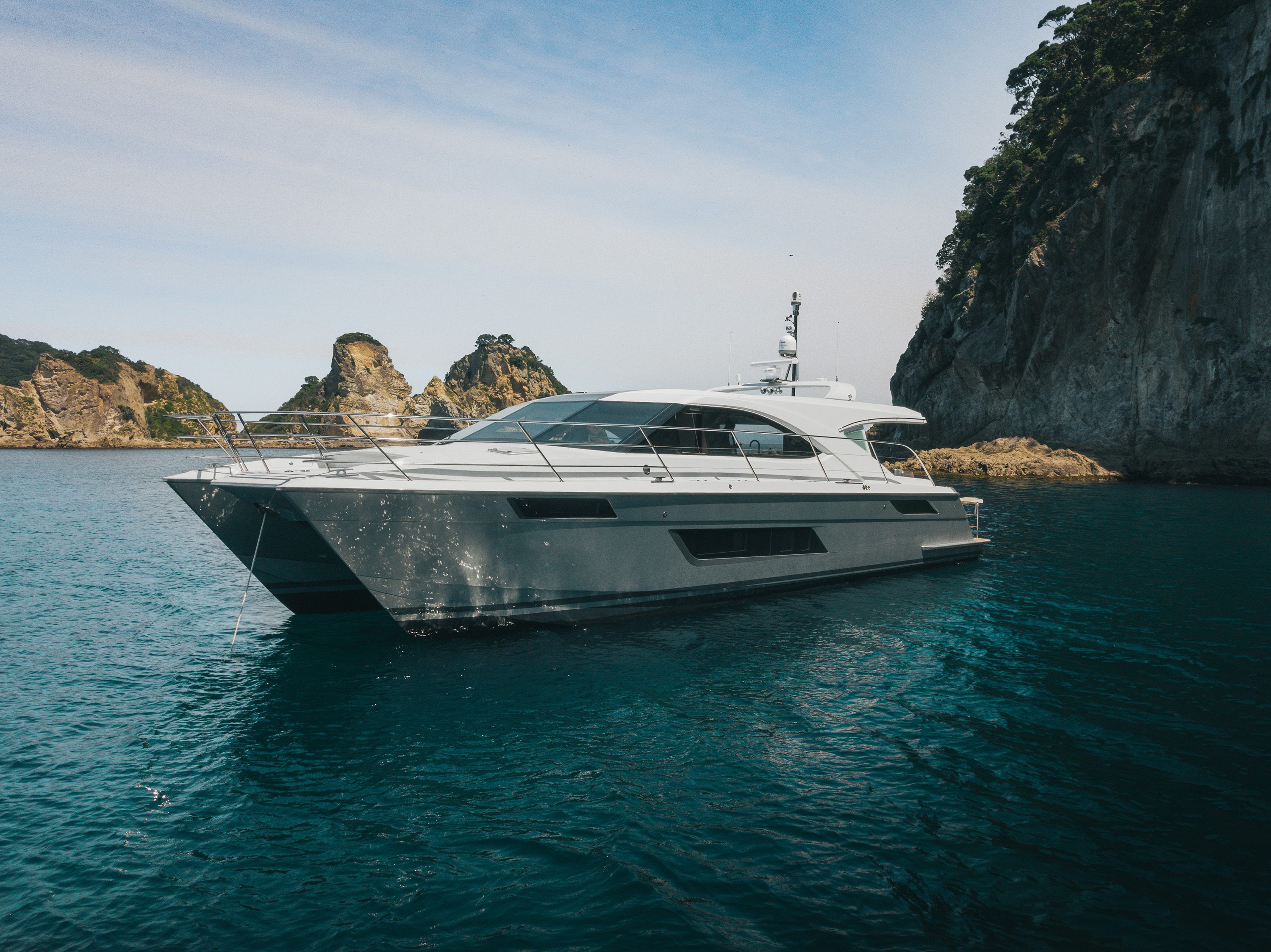
What was to become a very special experience for 5 crew began traveling up the east coast of New Zealand for owner/operator training on a newly handed over XF60.
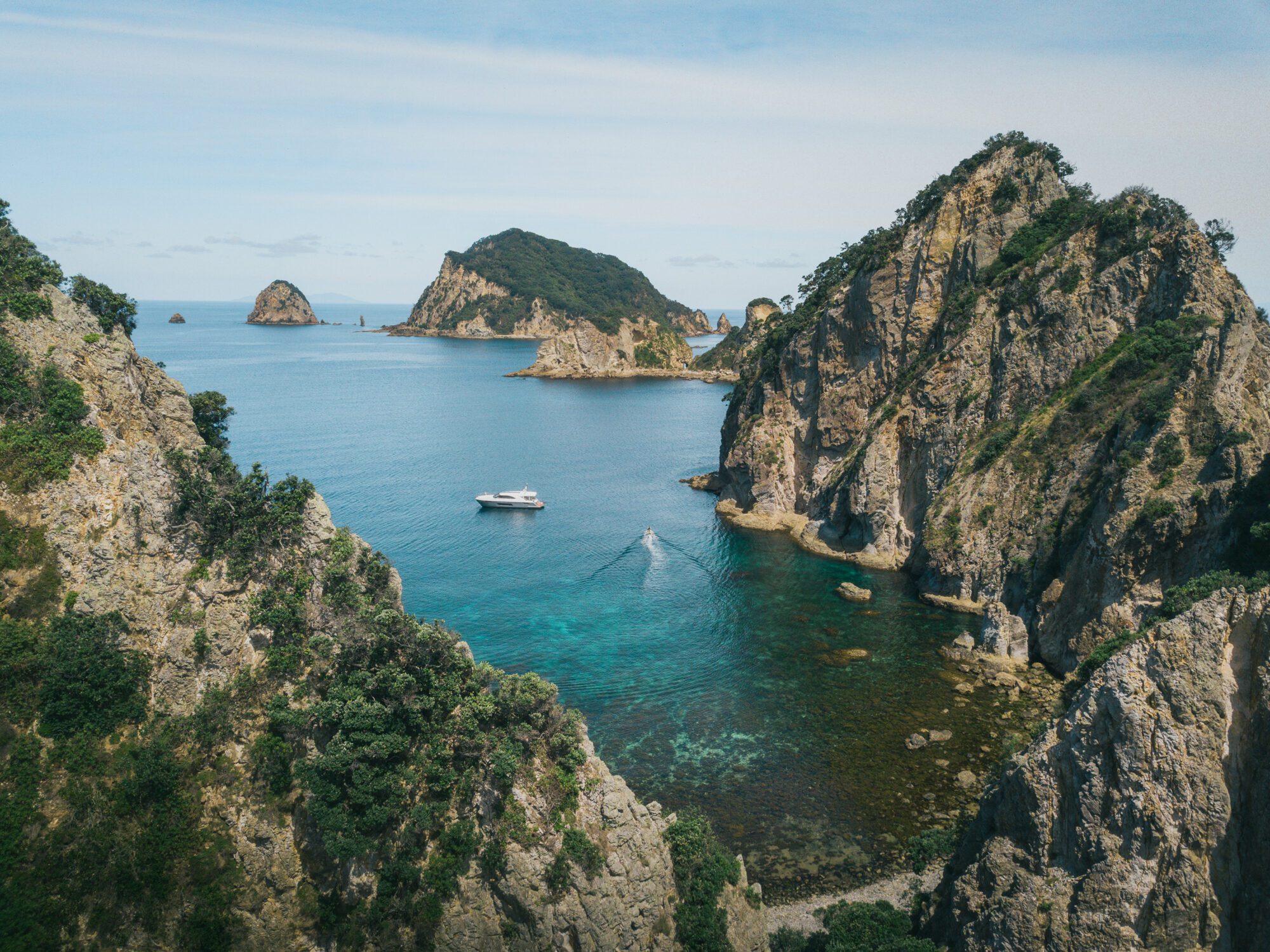
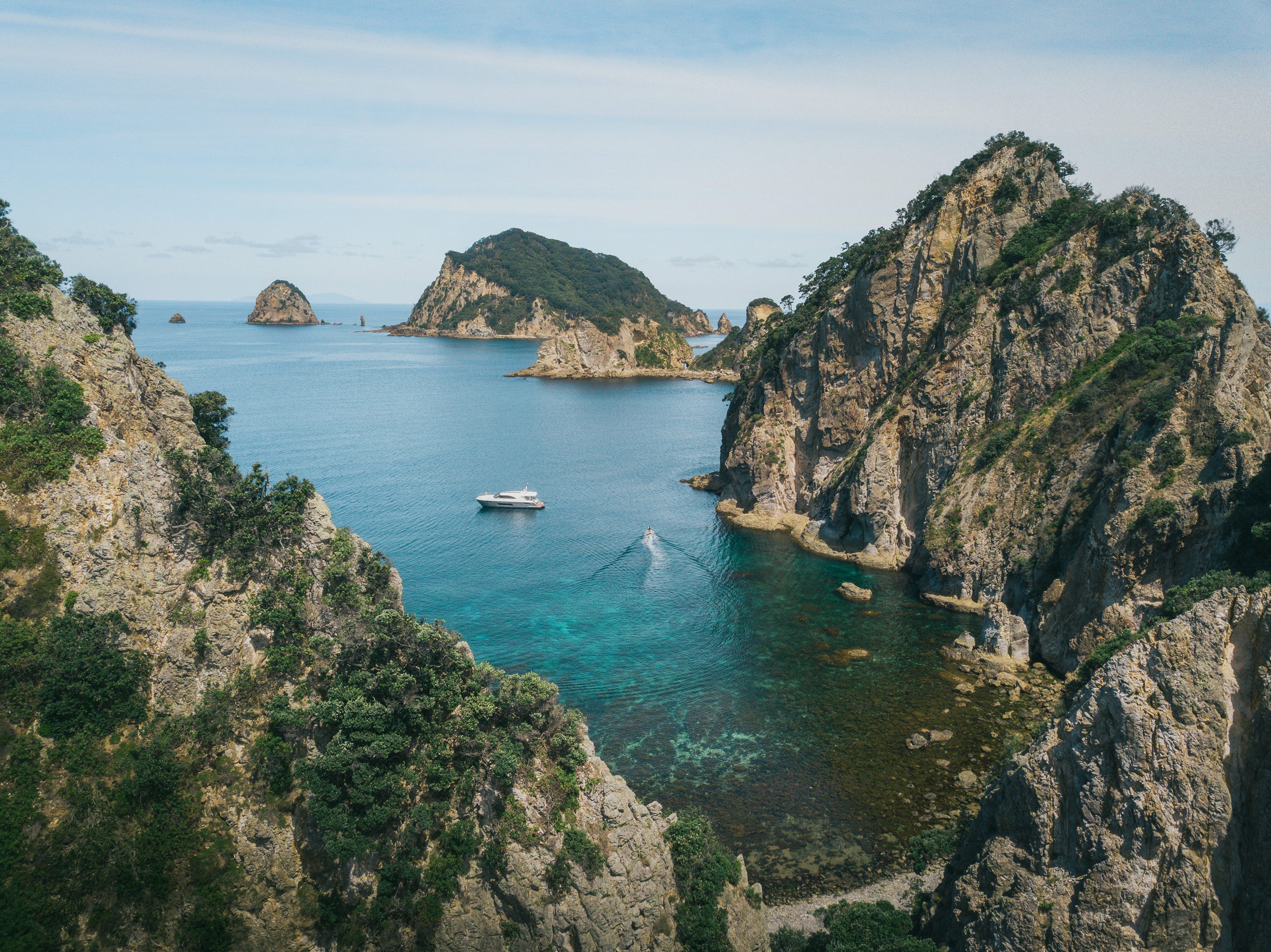
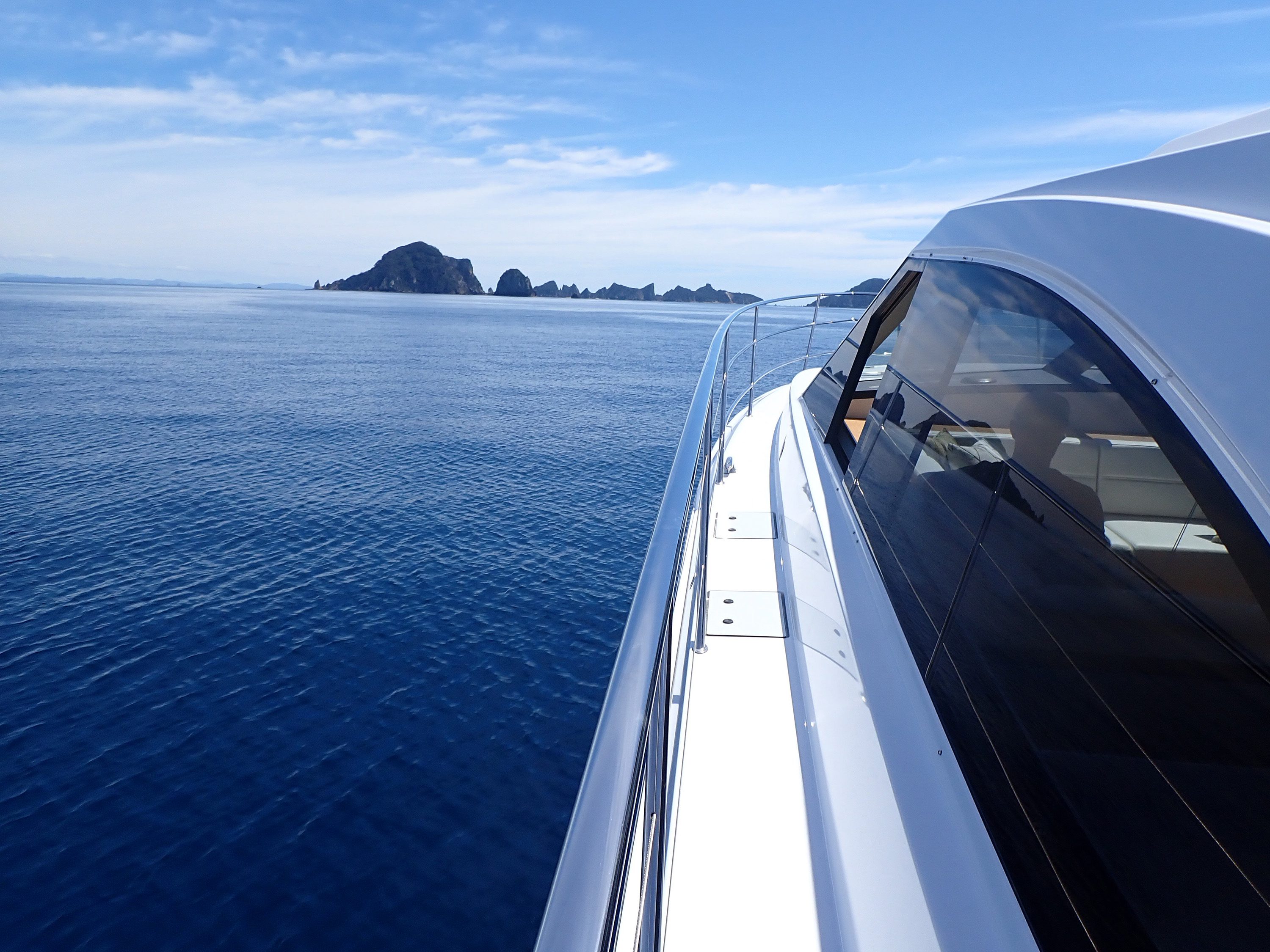
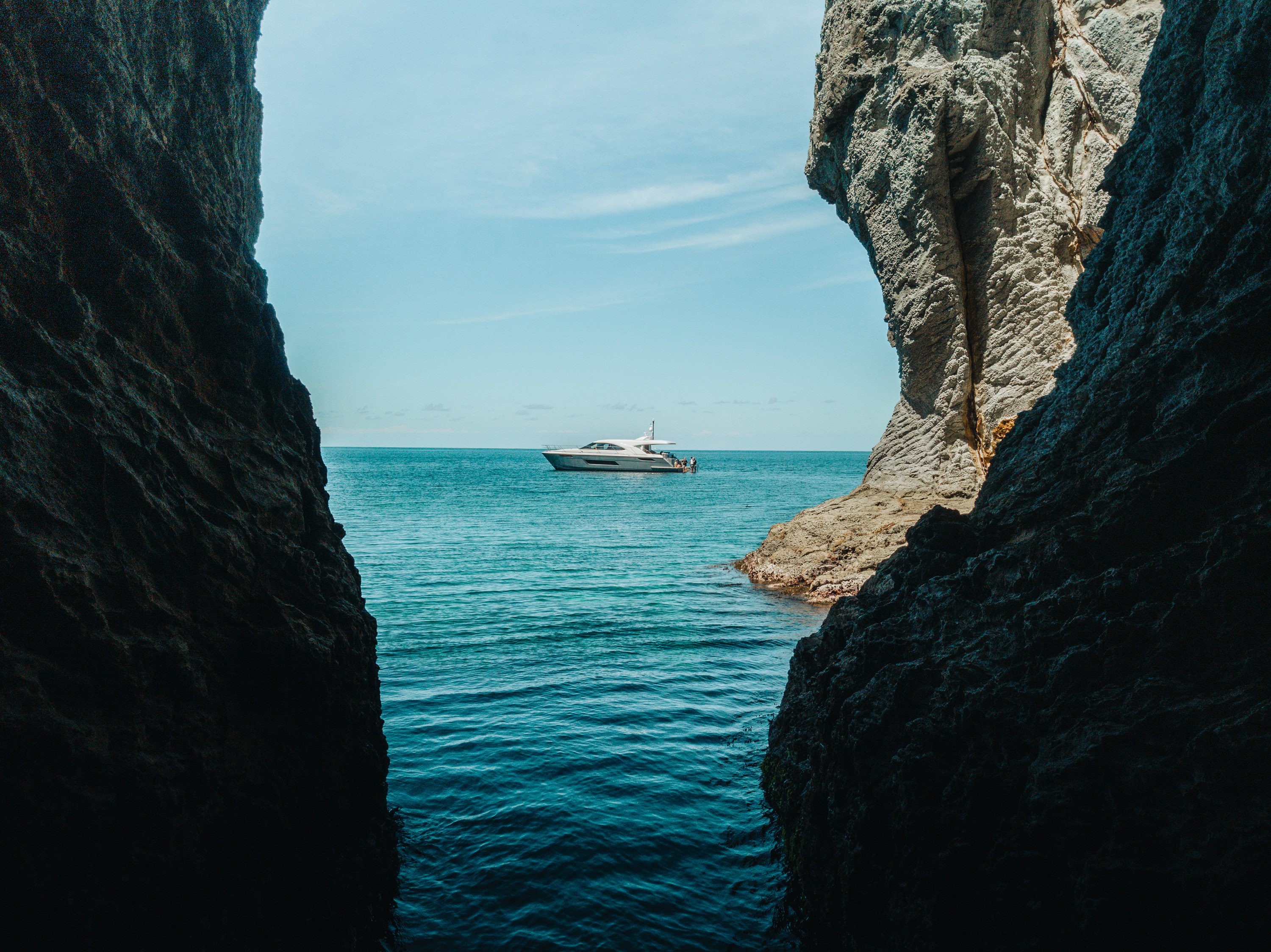
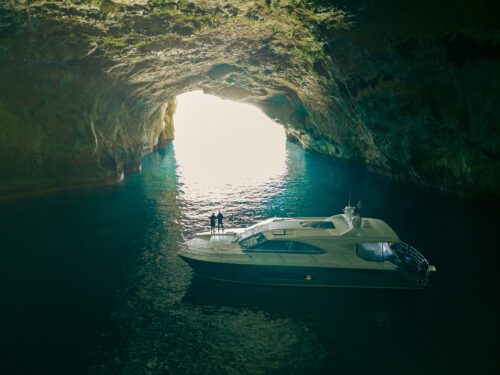
Our voyage began exploring Mayor Island’s rugged coastline where scarred obsidian-veined cliffs stand as testaments to the island’s volcanic past, reclining in beanbags on the foredeck driving by remote control.
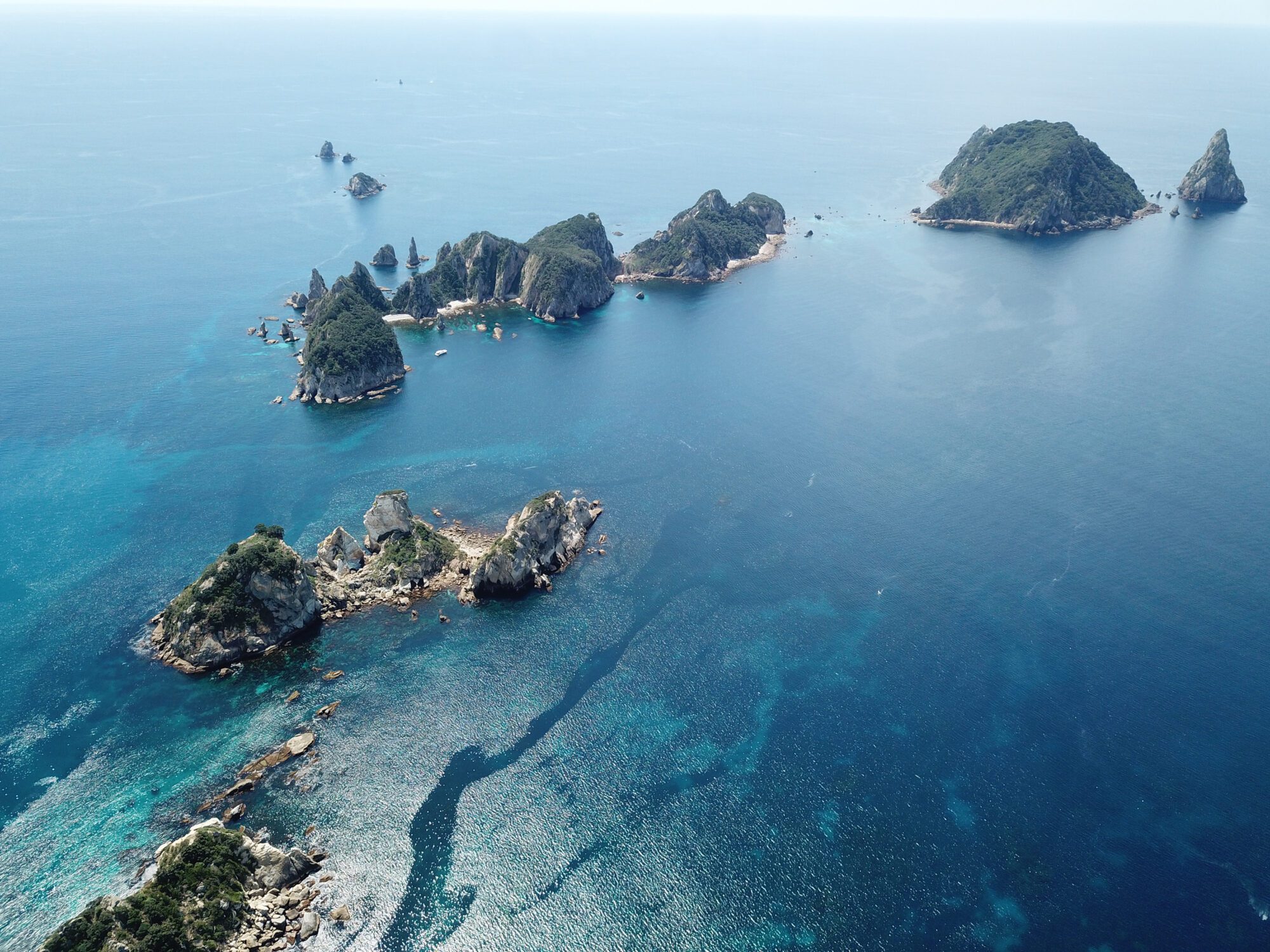
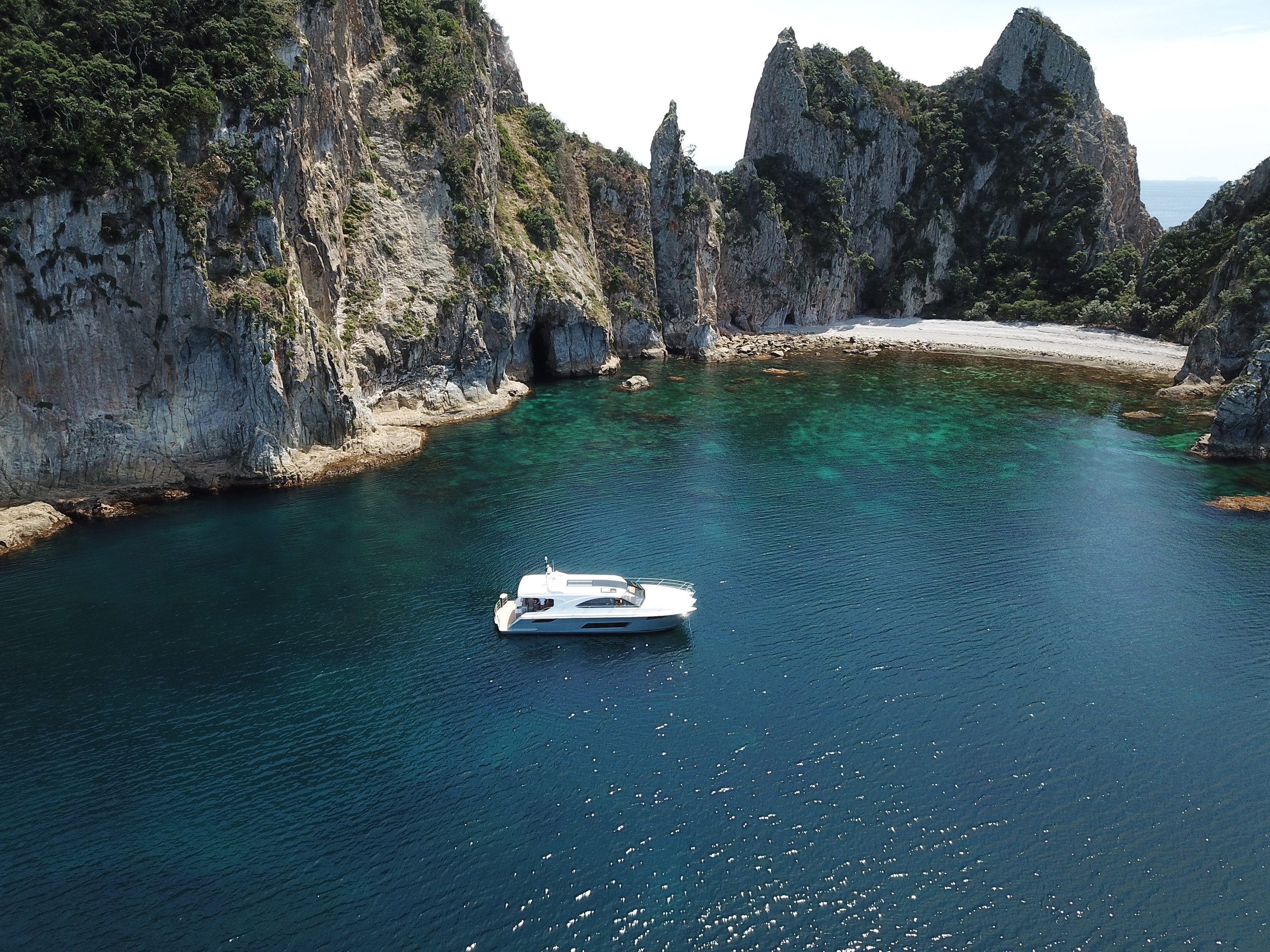
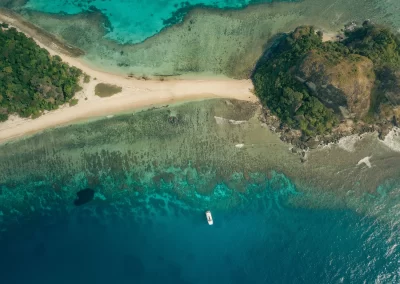
Making our way up the coast we anchored in the Jurassic feeling Alderman Islands for lunch and enjoyed exploring the untamed beauty of the island group by air with the drone.
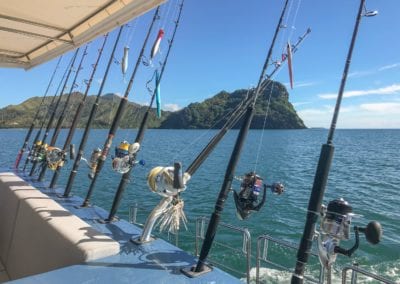
Refreshed we ventured towards Red Mercury Island for an afternoon of fishing, and later retired to a pristine bay nestled within the Mercury Islands. We tried out the boats electric tender, cooked a bbq dinner and settled in for the night to get to know the boat a bit.
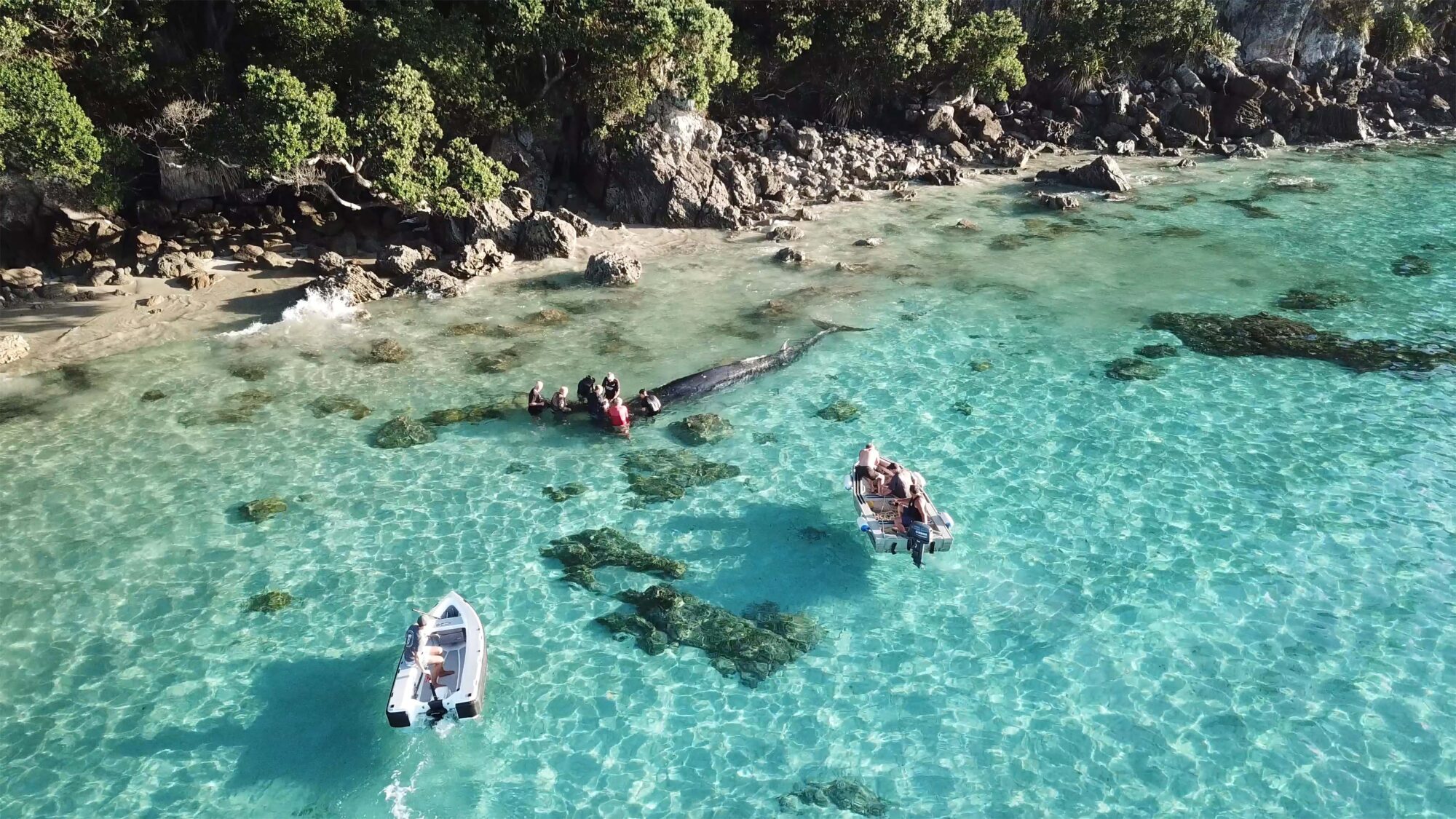
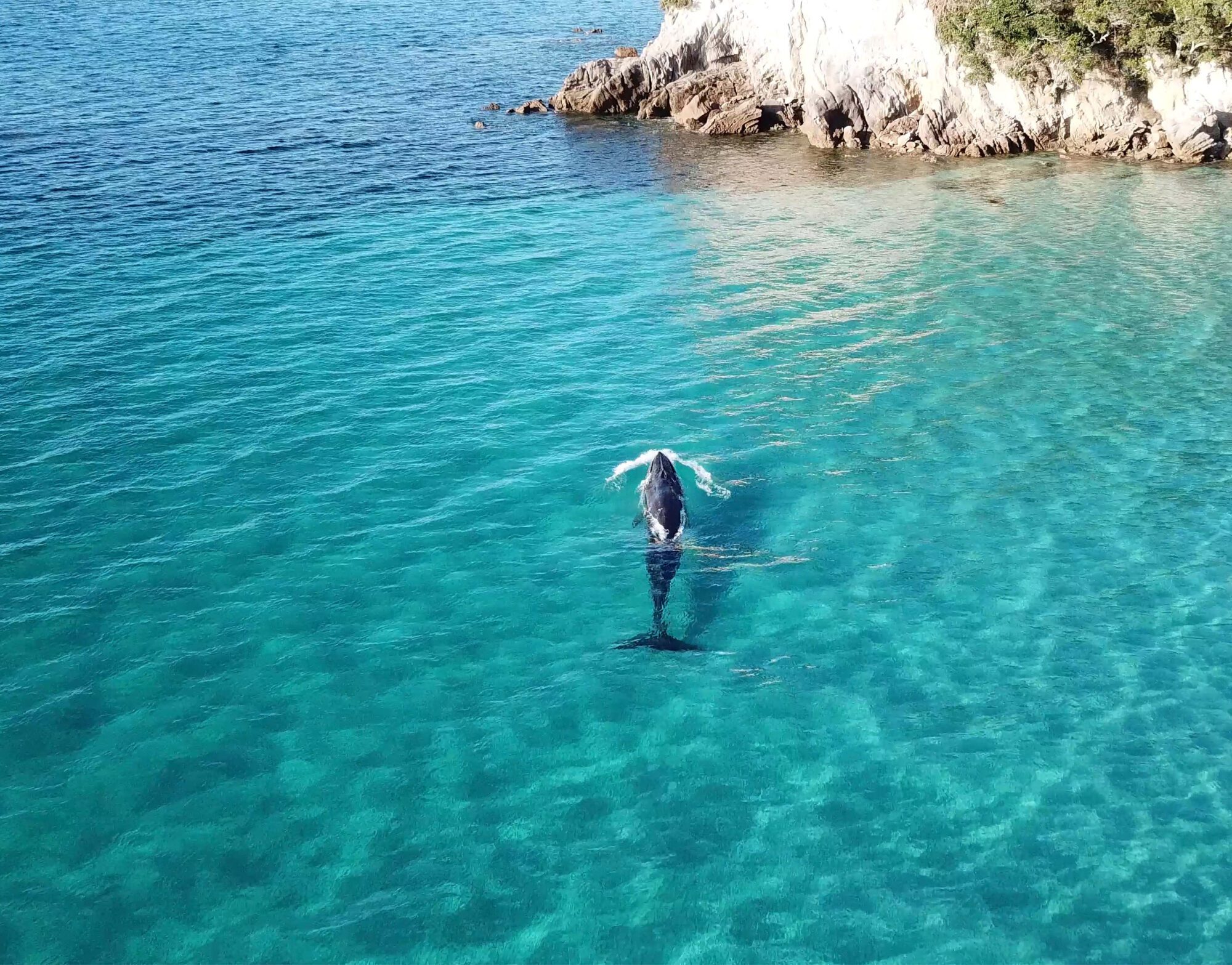
The next morning the sun rose on a stunning day, set to be fine and scorching hot without a cloud in sight. As we ate breakfast in the cockpit to the sounds of native birdlife and wavelets lapping the shore, we saw something strange over in the shallow rocks. We couldn’t quite make out what it was, so we flew the drone over to investigate and what we found shocked us – it was a large Brydes Whale with its head completely encased in a ball of commercial trawler fishing net. At approximately 15 meters long this individual was a beautiful example of its endangered species.
The whale was trapped among the rocks close to the high tide mark. We assessed that it must have come in on the last high tide in the night and, blinded by the net, driven itself in until there was no water left to swim in. Since then the tide was nearing completion of a full cycle, approaching high again in around 45 minutes’ time.
The situation was clear, without intervention the tide would soon retreat, leaving the whale to spend the day beached under the harsh New Zealand sun. Exchanging looks there was no question among us that something had to be done to prevent the unnecessary stranding.
Leaping immediately into action Mitch, Bill and Mike grabbed togs and knives and readied the tender while Dave and James reported the whale to DOC over the phone.
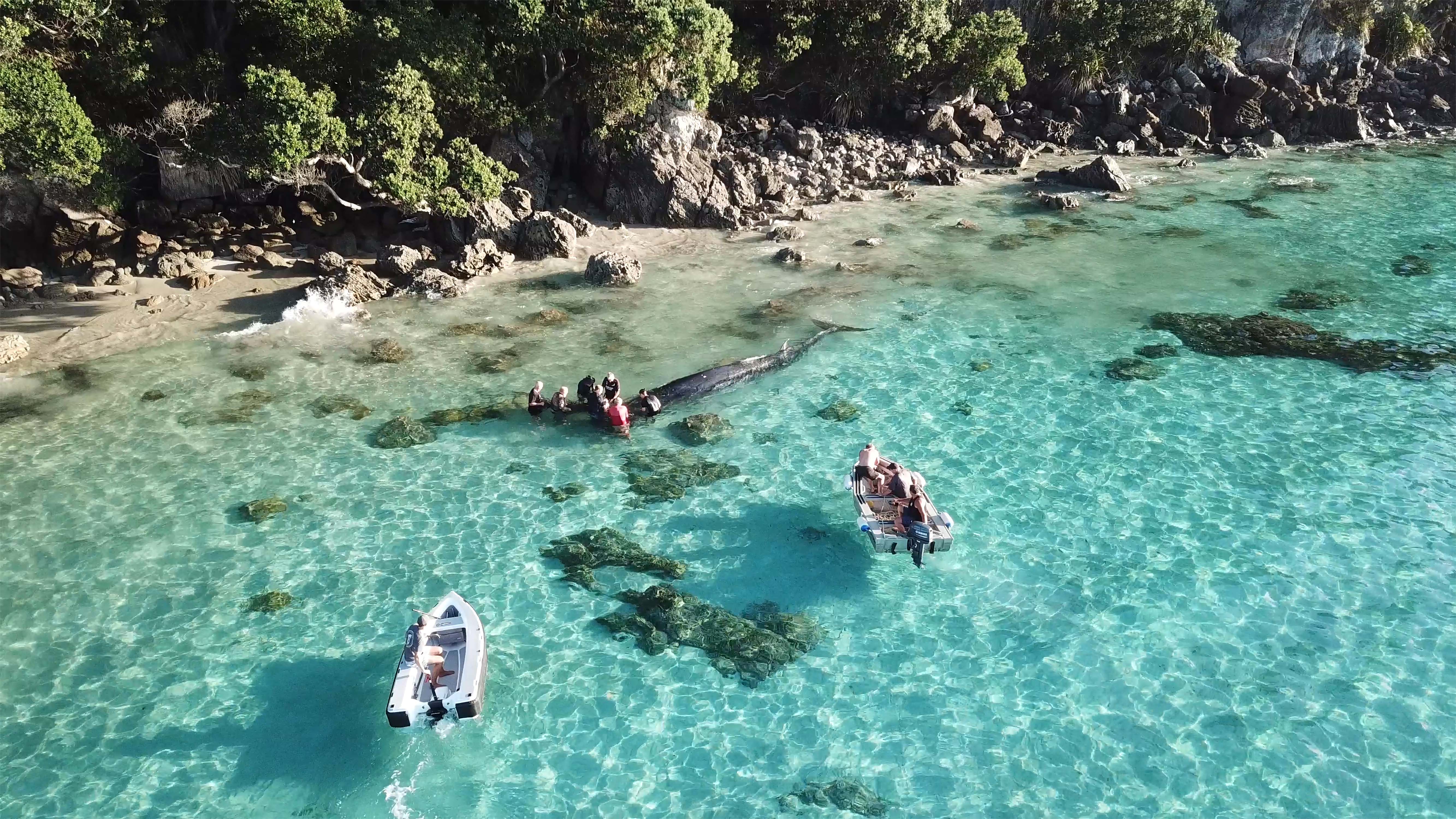
We approached slowly and cautiously, taking care not to startle the great beast. Mitch and Bill hopped into the chest deep water and we took places on either side of its head, speaking to it and gently reassuring it that we were there to help. Raising its mighty head and giving a blast from its spiracle the whale seemed to acknowledge us before resting back in the water.
Up close not only were we dwarfed by the whale, but the fishing net ball was also much larger than it first appeared – made up of a dense nest of ~5mm braided nylon. A short investigation revealed the net to be hopelessly tangled and our chances of removing it simply from the whale stripped away.
We set to work. Pulling and cutting our way through an endless wall of rope. Soon we were joined by people from other boats in the bay, as the boating community came together to free the whale. More hands made for fast work. After half an hour of cutting we were deep through the net where we found our next challenge. A 25mm (inch) thick steel cable, entwined throughout the centre of the net, wrapped tightly around the whales head and through its mouth several times.
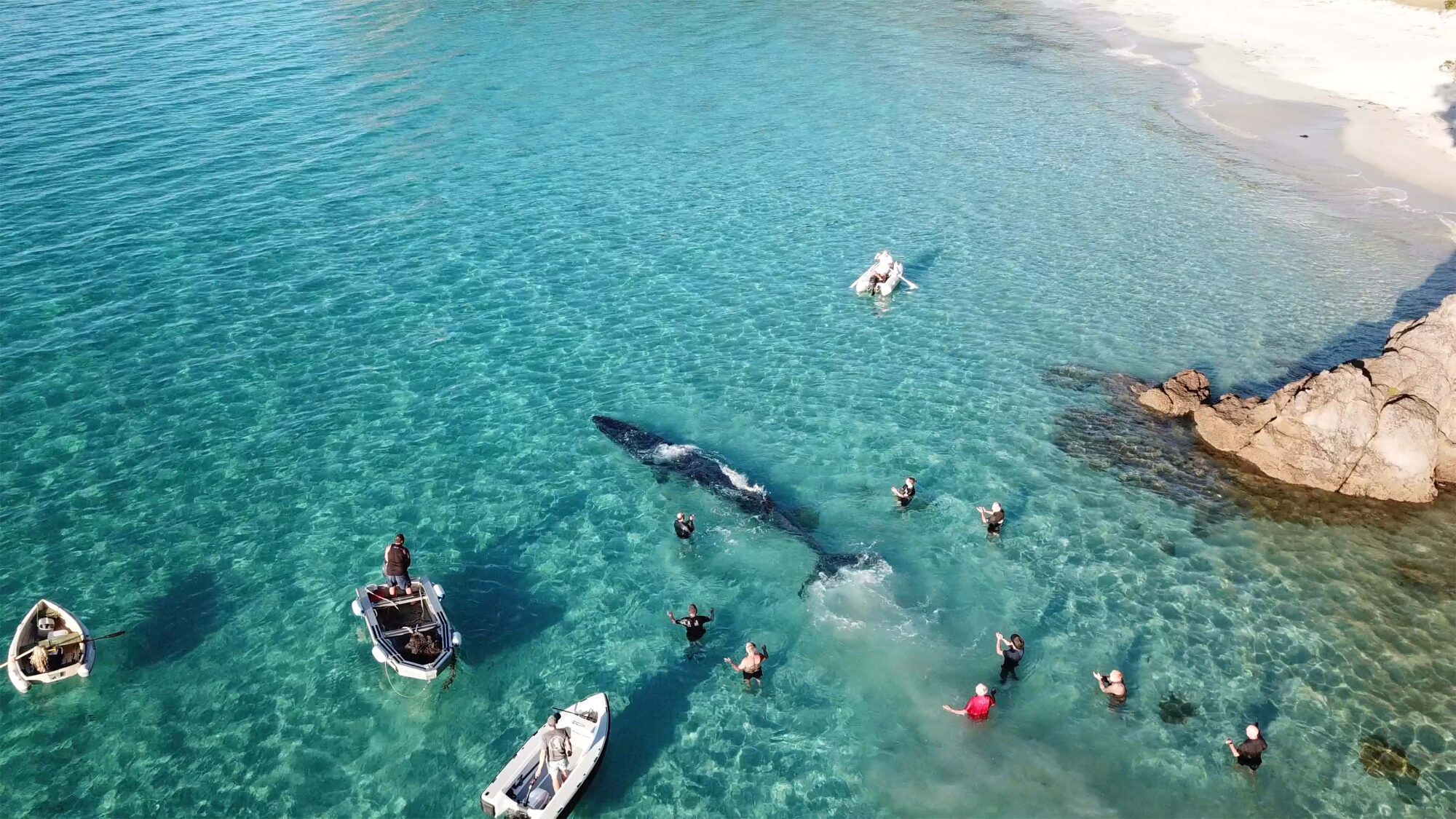
Fortunately one of the boats in the bay had some hacksaws onboard – even if three of the four were blunt. With patience and resolve, we spent another half hour painstakingly sawing through the submerged cables. At last, a breakthrough: the bulk of the net surrendered its grip. Some of the community’s strong crew hauled this away while we tidied up what remained. Just as high slack tide approached its end, we removed the final pieces of the net and as the waters rose to their absolute peak we felt the weight of the whale lift just barely off the ground. While not enough for it to swim, there was depth enough for us to gently manoeuvre it out of the rocks and into deeper water.
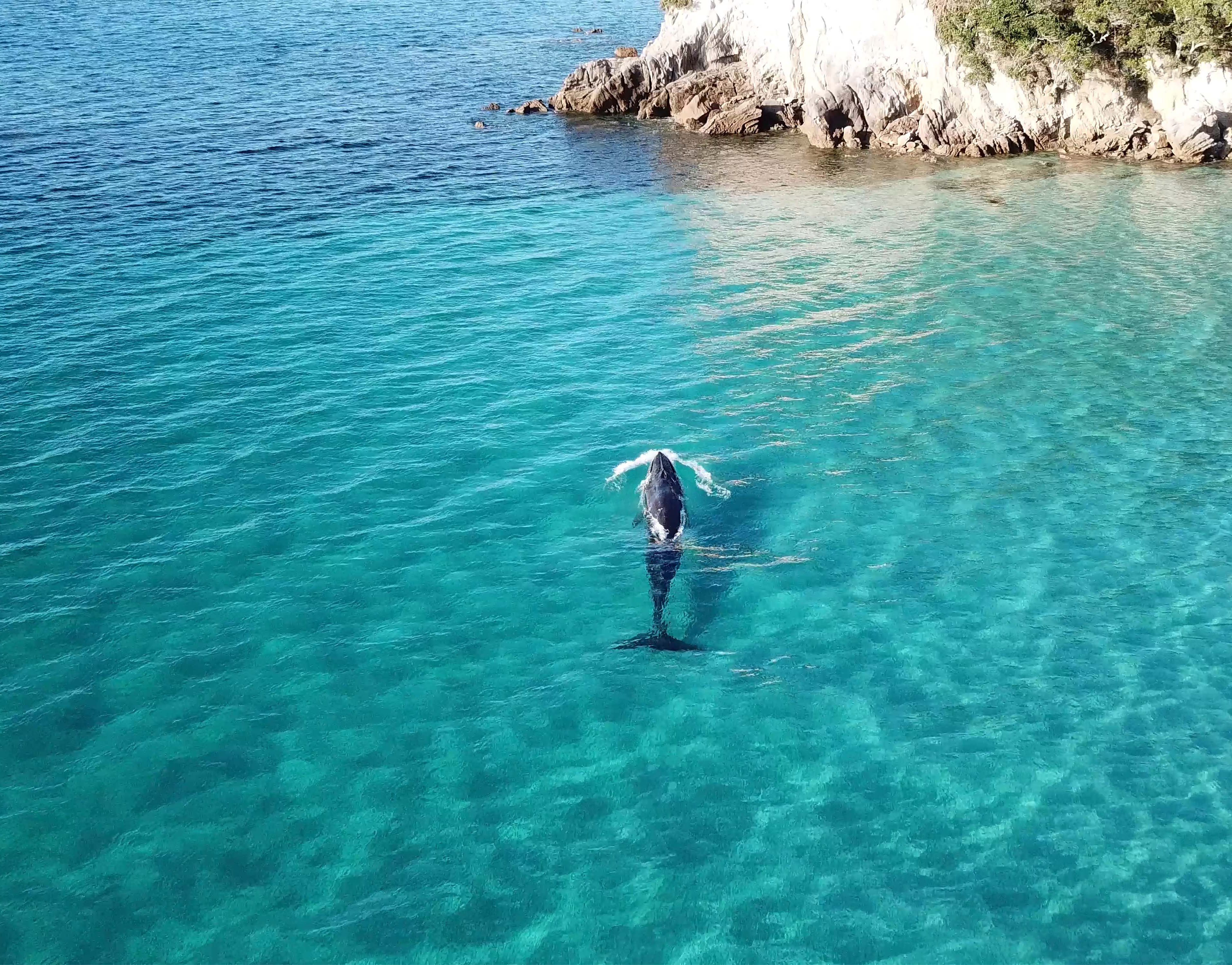
The whale stretched and rolled, testing its new-found freedom, then raised its head one last time before flexing its powerful tail and starting to swim. A triumphant cheer went up and the rescue team clapped, elated to see the majestic creature freed and swimming out to sea. Rejoicing as we watched it swim away a buzz set into the team that would last for days.
The boating community had come together and achieved something important.
Returning to the boat the wet team was pleasantly surprised to discover that the guys who had remained on the boat taken on the task of surveillance, utilizing the drone. Their efforts had not only kept an eye on the safety of the whale and the rescue team but had also captured a segment of the rescue and the whale’s departure out to sea. Watching the replay we were delighted seeing that it had swum the length of the bay, expertly navigating the rocks at the end and venturing out into deep open water. One final time the whale broke the surface, clearing its lungs and taking one last deep breath before diving, fading away into the deep.
The rest of the delivery trip breezed by, featuring some snapper fishing and calm seas, and finally finishing in Auckland, the crew riding the high of an unforgettable experience. Being able to rescue it and have such a genuine, direct, positive impact to nature felt incredibly rewarding. And on top of that the whale’s response to our presence, allowing us to be so close and personal in order to help was extraordinary. We are privileged to share the world with such incredible animals, and it’s our responsibility to care for our beloved marine environment.
*Note; all descriptions of marine animals and their activities are made based on observations made on the day.







XF 50
Length (m/ft): 15m / 50ft
Area (m2/ft2): 128m2 / 1378 ft2
Sprint Speed: 37-45knts
Cruising Speed: 30-35knts
Range @ 30knts: 500-1000nm
Range @ 8knts: 1800nm
XF 60
Length (m/ft): 18m / 59ft
Area (m2/ft2): 179m2 / 1926ft2
Sprint Speed: 37-45knts
Cruising Speed: 30-37knts
Range @ 30knts: 600-1150nm
Range @ 8knts: 2500nm
XF 66
Length (m/ft): 20m / 66ft
Area (m2/ft2): 236m2 / 2540ft2
Sprint Speed: 37-45knts
Cruising Speed: 30-37knts
Range @ 30knts: 600-1200nm
Range @ 8knts: 3000nm
XF 75
Length (m/ft): 22.8m / 75ft
Area (m2/ft2): 275m2 / 2960ft2
Sprint Speed: 37-45knts
Cruising Speed: 30-37knts
Range @ 30knts: 600-1200nm
Range @ 8knts: 3000nm
XF 75 OB
Length (m/ft): 22.8m / 75ft
Area (m2/ft2): 317m2 / 3400ft2
Sprint Speed: 37-45knts
Cruising Speed: 30-37knts
Range @ 30knts: 600-1200nm
Range @ 8knts: 3000nm +
DSF 86
Length (m/ft): 26.2m / 86ft
Area (m2/ft2): 450m2 / 4840ft2
Sprint Speed: 20-23knts
Cruising Speed: 12-18knts
Range @ 18knts: 1150nm +
Range @ 8knts: 4000nm +
XF 95
Length (m/ft): 28.5m / 95ft
Area (m2/ft2): 500m2 / 5400ft2
Sprint Speed: 40knts
Cruising Speed: 30-35knts
Range @ 30knts: 1200nm
Range @ 8knts: 3500nm
XF 450
Length (m/ft): 36.3m / 119ft
Gross Tonnage: 450GT
Sprint Speed: 40knts
Cruising Speed: 25-30knts
Range @ 30knts: 1200nm
Range @ 8knts: 4500nm
Go further, faster
Immensely fast and utterly luxurious Voodoo yachts are the perfect high-speed vessels for the modern explorer. Utilising a unique foil-assisted catamaran hull the Voodoo is capable of cruising at speeds in excess of 40knts with genuine offshore passage making range.
Talk further at welcome@voodooyachts.com